Naina’s story
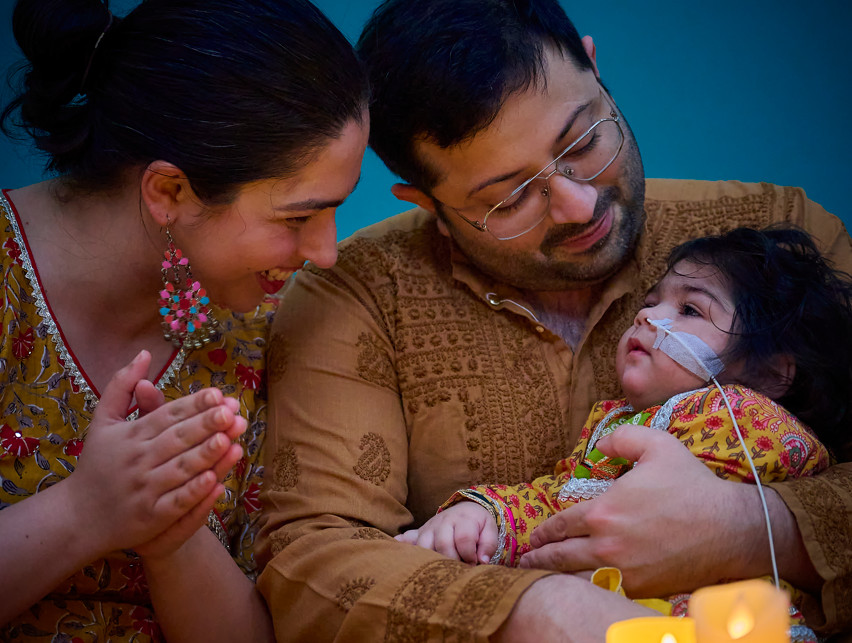
Swati and Parth are devoted parents to 19-month-old Naina, a little girl who loves music, movement and being part of the action. But her first year of life was shaped not by typical newborn milestones, but by pain, uncertainty and exhaustion, as her parents struggled to understand what was wrong and how best to help her.
“When Naina was about three weeks old, we noticed she was crying all the time. Doctors said it was colic and would pass,” mum Swati explains.
For months, their lives were defined by constant crying and survival mode. “She would either sleep or cry. We got into a routine of two-hour shifts, it felt like passing the parcel for six months,” dad Parth recalls.
A visit to hospital after Naina began to lose weight finally brought some validation for Swati and Parth and eventually they received a diagnosis: Aicardi-Goutieres Syndrome Type 9, a rare genetic condition.
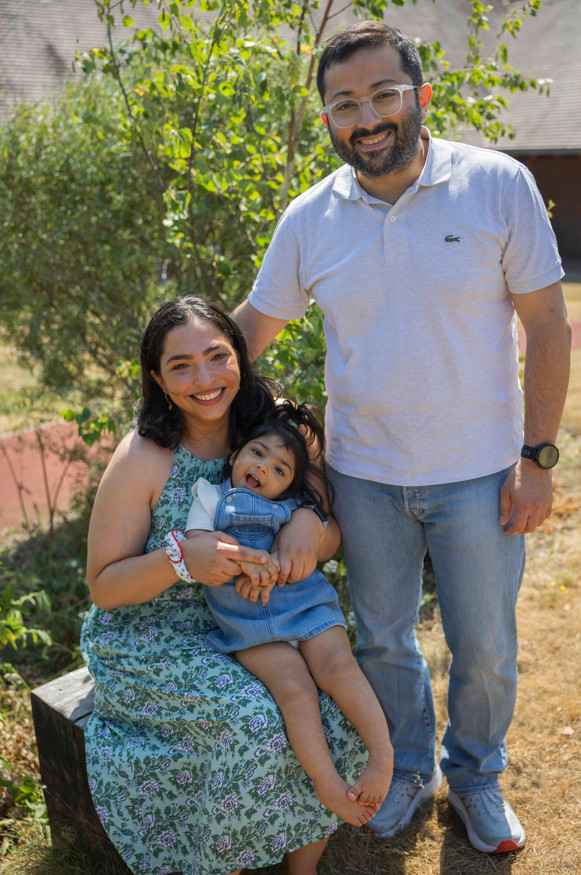
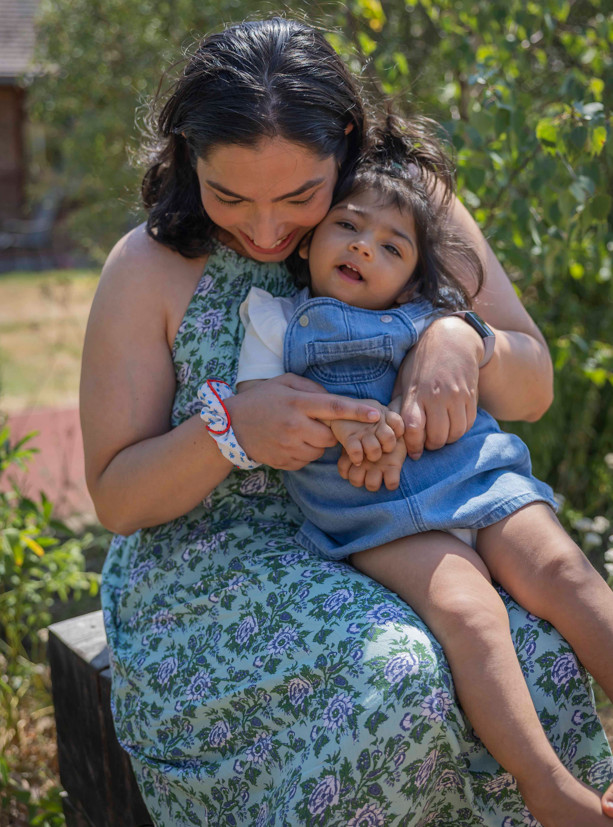
Parth explains, “When we fall ill, our body produces interferon, which is a protein released by the immune system to fight infections. Naina’s body produces it at 100%, it’s like having a very strong cold all the time, coupled with inflammation, muscle stiffness and pain. She’s always uncomfortable, always irritated.”
Even feeding became difficult. Swati explains, “She has a nasogastric tube because she was in too much pain to eat.”
They were introduced to Shooting Star, who had supported them with bereavement support after the loss of their first daughter, Tara. “People had said before, ‘We can help,’ but no one really could. After two hours of talking with Shooting Star, we really felt they were listening,” Swati says. Soon after, they were offered a symptom management stay. With Naina’s care carefully tailored and new medication introduced safely, her parents were able to relax. “It was the first time either of us could take a proper nap,” Parth says. “Just knowing someone else was looking after her, that could have never happened at home.”
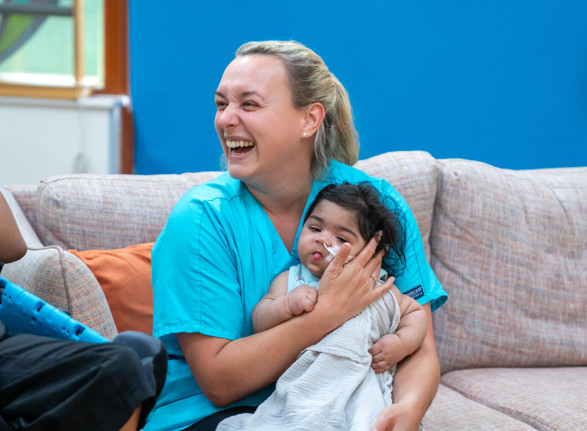
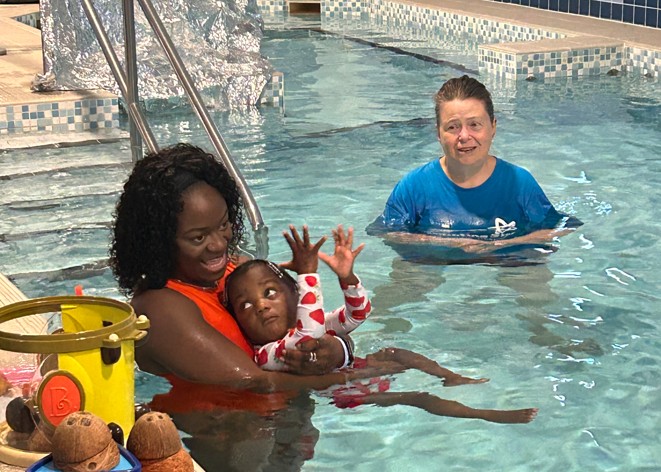
Naina also began hydrotherapy and music therapy. Small moments became turning points. Swati recalls, “There’s a photo of her being fed. She used to hate it, but a music therapist was playing guitar and there was so much going on around her that we could actually feed her.”
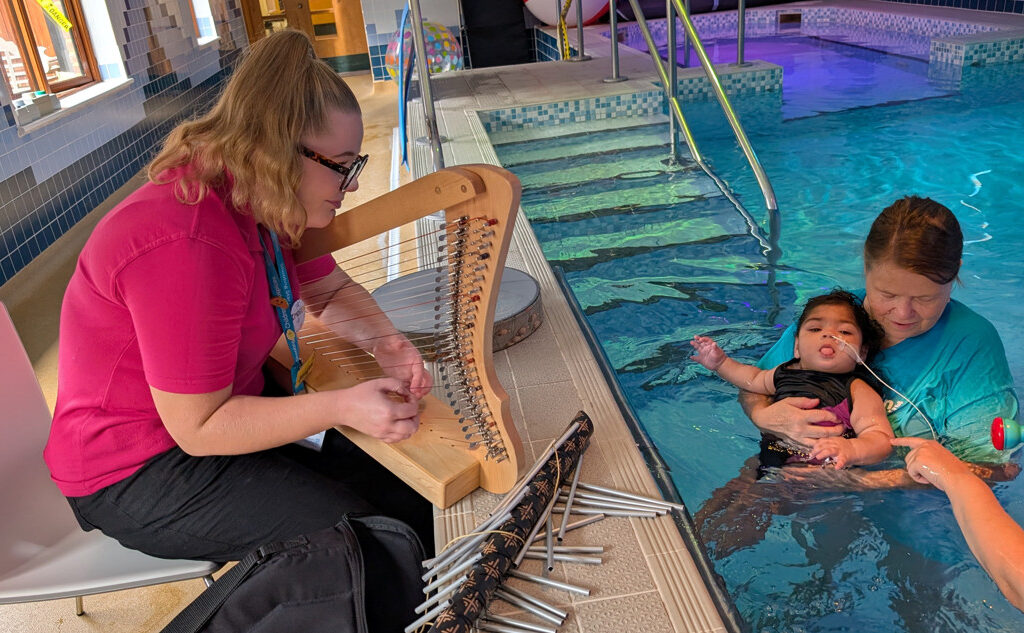
“In her first year, she didn’t do much other than cry,” Parth says, “but once the medication started working, we began to see more of her personality.”
And what they discovered was a joyful, curious little girl. Naina is visually impaired so loves sound and stimulation. “The more sensory input she gets, the better, she hates everything being quiet,” Parth says.
With no immediate or extended family in the UK, having Shooting Star to turn to made them feel less isolated and more confident. Milestones that once felt out of reach, like taking Naina out in a buggy, became achievable. That trust grew enough for Swati to do something she never thought possible, attend a concert for the first time since Naina’s birth. “I didn’t think that was in my future,” she says.
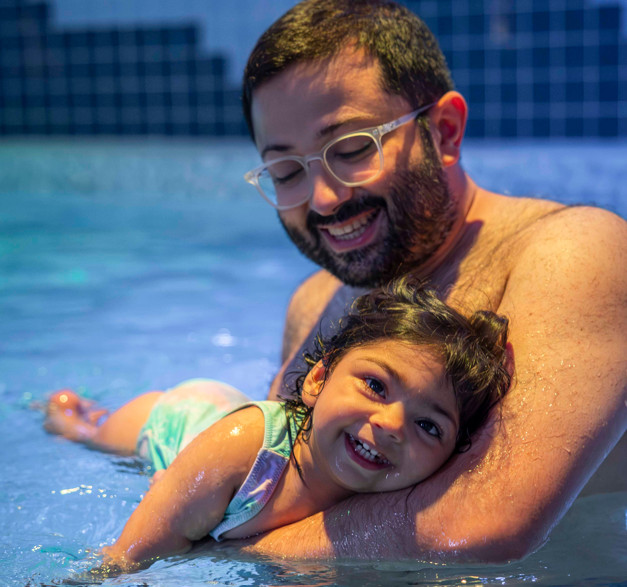
Over multiple stays, the hospice became a lifeline. One particularly meaningful stay coincided with Diwali. “The team embraced it completely,” Swati says. “They decorated, researched the festival, and made it special.”
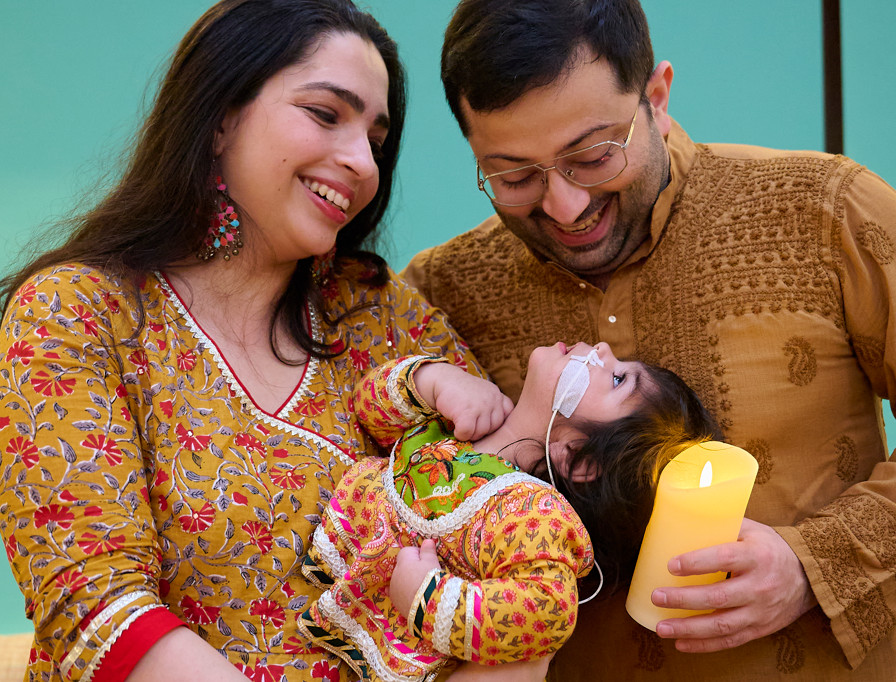
Through everything, their perspective has shifted. Parth reflects, “The most important thing is that everyone here treats her as though there’s nothing she can’t do. That’s what takes you from the shock of diagnosis to realising that this is still life. She’s big, she’s smiling, and we can have some fun with her.”
Your support can help families like Naina’s access vital care, comfort and precious moments together, please consider donating today.